
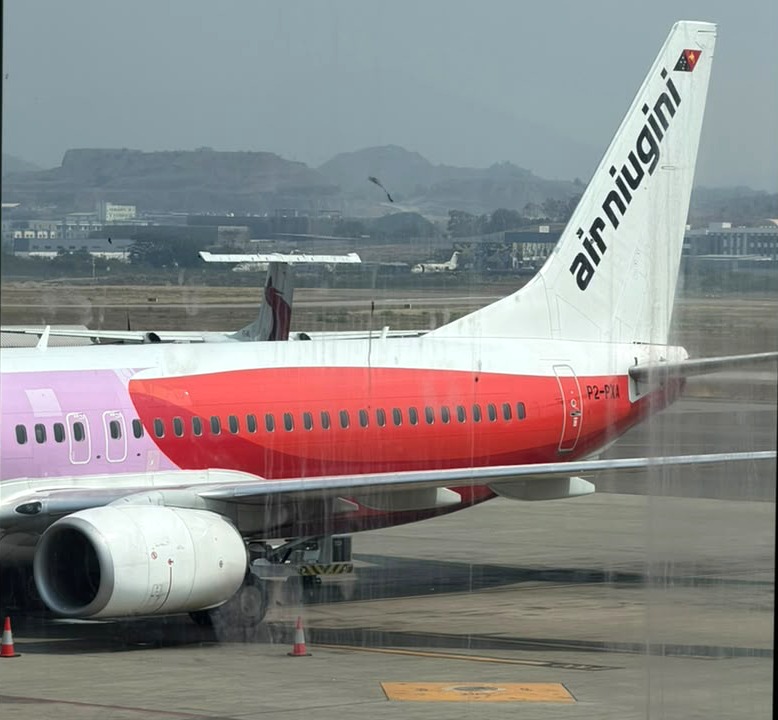
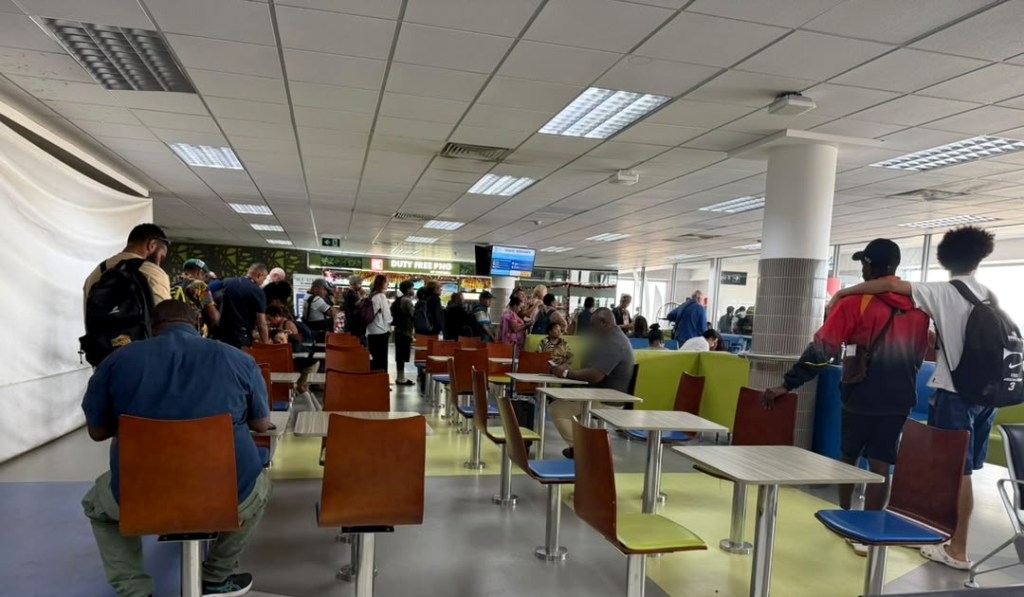
PORT MORESBY — At Jacksons International Airport this afternoon, the departure lounge for the Air Niugini flight to Sydney looked like any other Sunday. Travellers with backpacks and laptop bags queued at the duty-free counter, others waited on the hard airport chairs, phones in hand. For years, this flight in the first week of December has carried PNG’s resource industry to Sydney: ministers, governors, department heads, landowner leaders and company executives, all bound for what used to be called the PNG Mining and Petroleum Investment Conference, and is now PNG Investment Week.
This year, many of the familiar faces from Waigani are missing. With Parliament sitting from Tuesday for the 2027 Budget and Wednesday’s vote on Bougainville’s referendum result, Business Melanesia understands Prime Minister James Marape has asked most ministers, governors and MPs to stay home. He leads a slimmed-down team to open the Investment Leaders Summit on Monday, with the key portfolio holders, the Mining and Petroleum ministers, at his side.
It is the right call. No Papua New Guinean would forgive an empty government bench in the week the nation decides on Bougainville. But it also opens a question that is rarely asked out loud: what does PNG actually get for the money and time it spends in Sydney each year?
Why Sydney matters
Run by the PNG Chamber of Resources and Energy, this year’s week at the International Convention Centre expects about 1,800 delegates over four days, from today’s regulators’ forum to an exploration forum and a suppliers’ forum on Wednesday. The idea is simple. Put PNG’s projects, rules and leaders in one room with the banks, investors and contractors who decide where the money goes. Many of them will never visit Port Moresby. Sydney is where PNG goes to meet them.
The timing this year could hardly be bigger. All the commercial agreements for the US$14.5 billion Papua LNG project are now signed. Parliament passed four fiscal bills unanimously in October, the fiscal stability agreement was signed at Government House on 16 November, and a final investment decision is targeted for 15 December. PNG walks into the room with its best story in a decade.
From talk to reality
Some Sydney promises have become real. The Pasca A offshore gas project in the Gulf of Papua was one of the headlines of the 2024 week, and in its closing days the Government and Twinza initialled the gas agreement. Since then, engineering design has been completed, the national content plan was approved in August, and the partners are now chasing finance for an investment decision before the election. At the same event, ExxonMobil said it would bring forward early design work on the P’nyang gas field “years sooner than previously envisaged”.
Papua LNG itself was pitched in Sydney year after year, stalled when construction bids came in near US$18 billion, then was reshaped and cut to size. Last year, Australian Prime Minister Anthony Albanese joined Mr Marape for the first joint prime ministers’ opening, speaking of more than A$600 million for five PNG ports, an upgraded Wau Highway and a sealed Kokoda Highway.
And there are investments that show what success looks like. K92 Mining paid a K230.9 million tax instalment in October and expects to have paid the State more than K1 billion by the end of this year from its Kainantu gold mine.
Other promises are still promises. In Sydney in 2024, the Prime Minister said the Wafi-Golpu copper-gold mine deal in Morobe “will be concluded very soon”. As late as March this year, he said both sides were still “negotiating firmly”, with the State holding out for about 55 per cent of the project’s total benefit. Investors in the room will want to know where it stands. Sydney is good at announcements. Turning them into projects happens at home.
Who really benefits
The big winners are easy to name: the State and the major developers, who get a stage to show investors the deal is solid. Behind them come the banks, lawyers, consultants and contractors who make their living from PNG projects.
For PNG companies, the value is in the corridors. A landowner company or a Lae engineering firm can meet a contractor looking for a local partner, learn what a project’s procurement team expects, and come home with leads instead of brochures. Wednesday’s suppliers’ forum exists for exactly that.
Landowners are the hardest case. Year after year, their leaders have stood up at these meetings to say the schools, medicine and power they were promised have not reached their villages. Ask a mother walking to market in a project area what Sydney has done for her family, and the answer will tell you more than any panel discussion. A seat in Sydney means little if the agreements discussed there are never explained back in Kikori, Kutubu or Wau.
The cost nobody publishes
There is no public record of how many ministers, officials and state agency staff travel to Sydney each year, or what their flights, hotels and allowances cost. Companies answer to their boards for every delegate they send. Public money deserves the same test. Who went, why, and what came back?
Our take
PNG Investment Week is worth it. Capital is global, and investors compare PNG with Chile, Indonesia and West Africa before they commit. Showing up matters. But the week should be measured like any investment, by what it returns.
That starts with a lean, purposeful delegation: negotiators, regulators and people who can sign and follow up, rather than a crowd. This year’s smaller team, forced by the calendar, could be the start of a better habit. Every agency that sends staff should publish who went and report back within a month on the meetings held and leads gained.
The deals should come home too. A report-back in Port Moresby, Lae and the project provinces would let landowners and small businesses hear what was promised in their name. And the pitch should widen beyond oil, gas and gold to agriculture, tourism and downstream processing, the sectors that create jobs in the provinces.
Business Melanesia will keep its own Sydney scorecard: what was promised this week, and whether it turns into roads, jobs, revenue and royalties by this time next year.
What to watch: the Prime Minister’s opening speech on Monday, any word on the Papua LNG decision before 15 December, financing for Pasca A, and fresh dates for Wafi-Golpu. Our team is in Sydney all week.
Main photo: An Air Niugini jet at Jacksons International Airport, Port Moresby. Photo: Business Melanesia.


Leave a Reply