
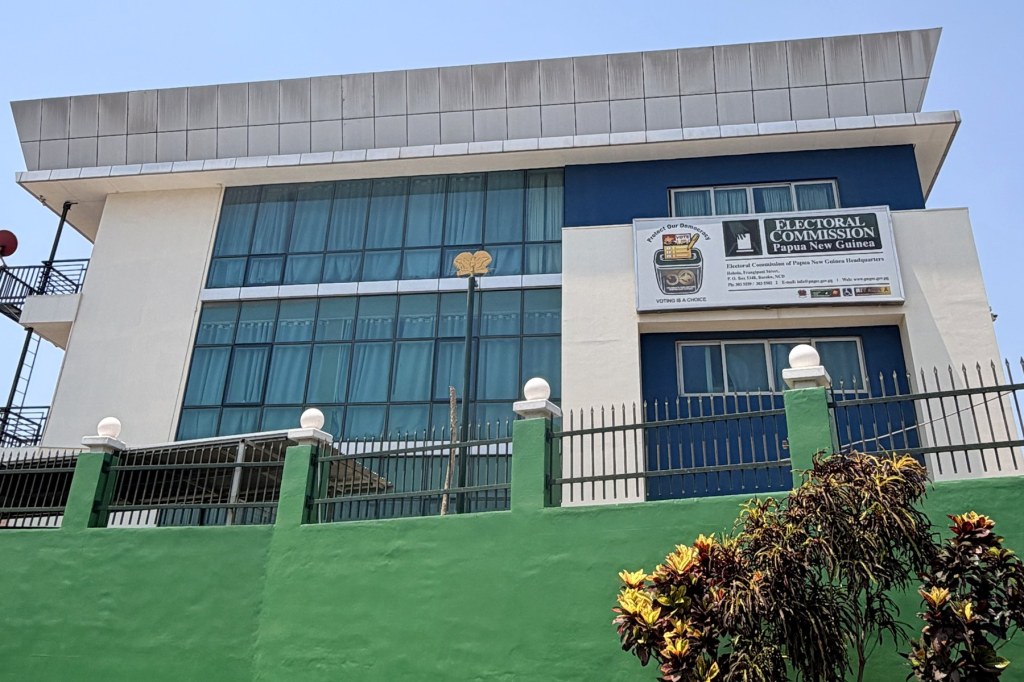
PORT MORESBY — In seven months Papua New Guineans go to the polls to choose the Parliament that will steer the country into its second half-century. The decisions those MPs make, on the Budget, on resource deals, on debt and on services, will shape every business and every household. Yet the election that chooses them is starting on the back foot.
Behind schedule, short of money
Electoral Commissioner Dr Nicole Haley has been blunt: when she took office in August, preparations were “critically behind schedule”. The Commission has said it needs about K500 million to run the 2027 election properly, including voter registration. It received K150 million in September’s Supplementary Budget. Biometric voting will not be ready, so the country will vote on paper again.
The roll is the first test. The 2024 census counted about five million people of voting age, but the roll holds about 6.1 million names. A two-month registration drive through the SevisWallet app is planned from mid-December. Getting that right matters: in 2022, Commonwealth observers found some rolls missing up to half of eligible voters.
The cost of a flawed vote
The 2022 election showed what happens when the system strains. Observers reported bribery, food and money handed to voters, and daily violence that cost lives. By September that year the courts had received more than 80 election petitions, with disputes over about 70 seats. Many MPs spent much of their first year in court instead of in their electorates.
For the economy, that is not a side issue. Petitions freeze district funds and delay projects. Money spent winning a seat is money some winners then try to recover. Investors read election violence as country risk.
Who should be allowed to stand?
Under the Constitution, almost any citizen can run for Parliament: you must be at least 25, enrolled, connected to the electorate by birth or residence, of sound mind, and not barred by certain convictions or a Leadership Code dismissal. There is no requirement for education or experience. In crowded electorates, dozens of candidates often nominate.
A growing number of Papua New Guineans say that bar is too low. A letter to The National last year proposed a tertiary qualification or equivalent experience in leadership, public service or business, and automatic disqualification for candidates facing serious corruption or violence charges. The argument is simple: Parliament now handles billion-kina resource agreements, complex budgets and international negotiations, and the country deserves leaders equipped to do that work. Too often, some say, politics is seen as a fast road to wealth rather than service.
There are serious arguments on the other side. Standing for office is a constitutional right, and any education test would need a constitutional change. Access to schooling is unequal, especially for rural people and women, so a degree requirement could shut out good community leaders. Some of PNG’s most respected MPs built their standing through village, church and business leadership rather than certificates. And degrees alone have not stopped educated leaders from being accused of misconduct.
Our take
A country is only as strong as the people who make its decisions and the public service that carries them out. PNG should have an honest national debate on candidate standards before 2032, starting now. Some reforms could come faster and enjoy wide support: proper integrity checks on every nominee, tougher enforcement against bribery and campaign spending, faster resolution of petitions, and a higher nomination deposit refunded to candidates who win a fair share of the vote.
For 2027, the most powerful reform is in voters’ hands. Choosing candidates on character, competence and record, not on money or clan, is how PNG gets the Parliament it needs. Fund the Electoral Commission in full and on time, clean the roll, and keep the peace at the polls. The rest of the economy depends on it.
What to watch: release of the rest of the Commission’s funding in Tuesday’s Budget, the voter registration drive from December, and whether Parliament takes up candidate-eligibility reform after the election.
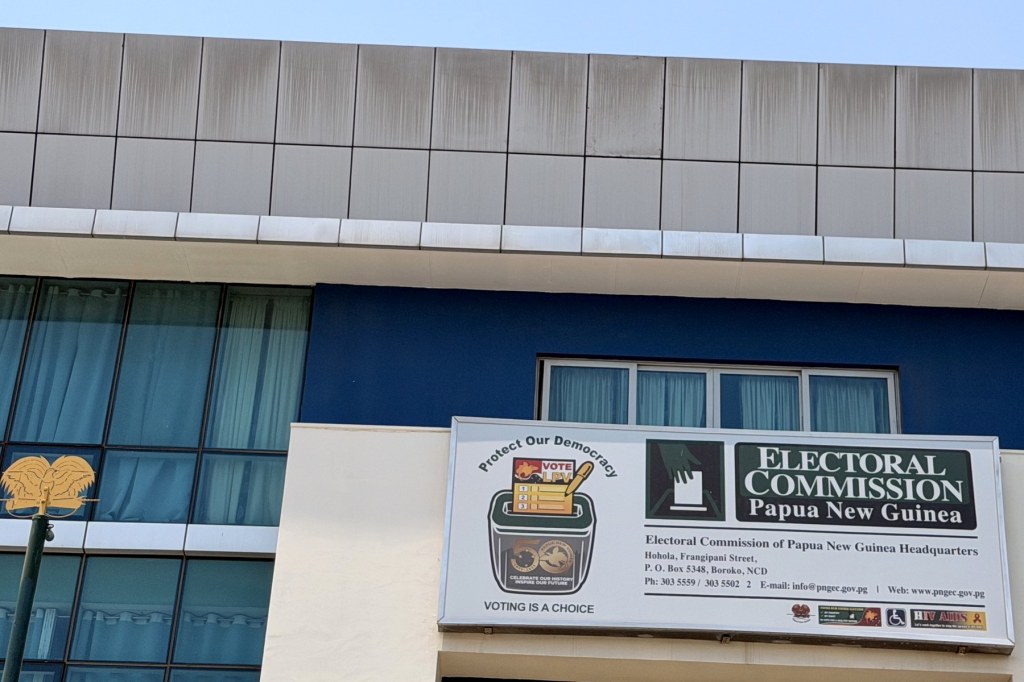
Main photo: Electoral Commission of PNG headquarters, Hohola, Port Moresby. Photo: Business Melanesia.


Leave a Reply