
PORT MORESBY — Most of the dirty money moving through Papua New Guinea starts with the public purse, the country’s financial intelligence unit has told business leaders.
Presenting PNG’s second national risk assessment on money laundering and terrorist financing to the Port Moresby Chamber of Commerce and Industry on Wednesday, Wilson Onea, director of the Bank of PNG’s Financial Analysis and Supervision Unit (FASU), said corruption and fraud against government were rated the highest threats, at “very high”, The National reported.
Rated “high” were general fraud, cyber-enabled crime, tax crime, drug trafficking, illegal logging, illegal fishing and environmental crime, especially illegal mining and gold-related offending.
Mr Onea said corruption weakens confidence in public institutions and covers bribery, abuse of office, procurement fraud and embezzlement. Fraud against government, he said, includes false invoicing, payroll and grant fraud and contract fraud. He noted that the assessment’s consultations suggested the most serious cases may involve networks of officials, private-sector players and professional facilitators over long periods.
Why it matters
A national risk assessment is not an accusation against anyone; it is the map that regulators, banks and international assessors use to decide where to look. That is why publishing it frankly is a positive step. A country that names its risks honestly is in a far stronger position before the global Financial Action Task Force than one that does not.
For business, the practical effect is closer checks. Banks will tighten due diligence on government contracts, cash-heavy trade and gold dealing. Honest firms will feel the extra paperwork, but they also gain: procurement fraud distorts tenders and pushes out companies that play by the rules.
The finding also points to the fix. The weak spot identified is public money, so the strongest remedies sit in public systems — open tendering, payroll clean-ups and prosecutions that reach the facilitators, not just low-level offenders. As we reported this week, PNG’s path off the grey list runs through the courts, and this assessment shows where those cases need to come from.
What to watch
Whether the full assessment is published, and whether next week’s Budget funds the agencies — FASU, police fraud squads and prosecutors — expected to act on it.
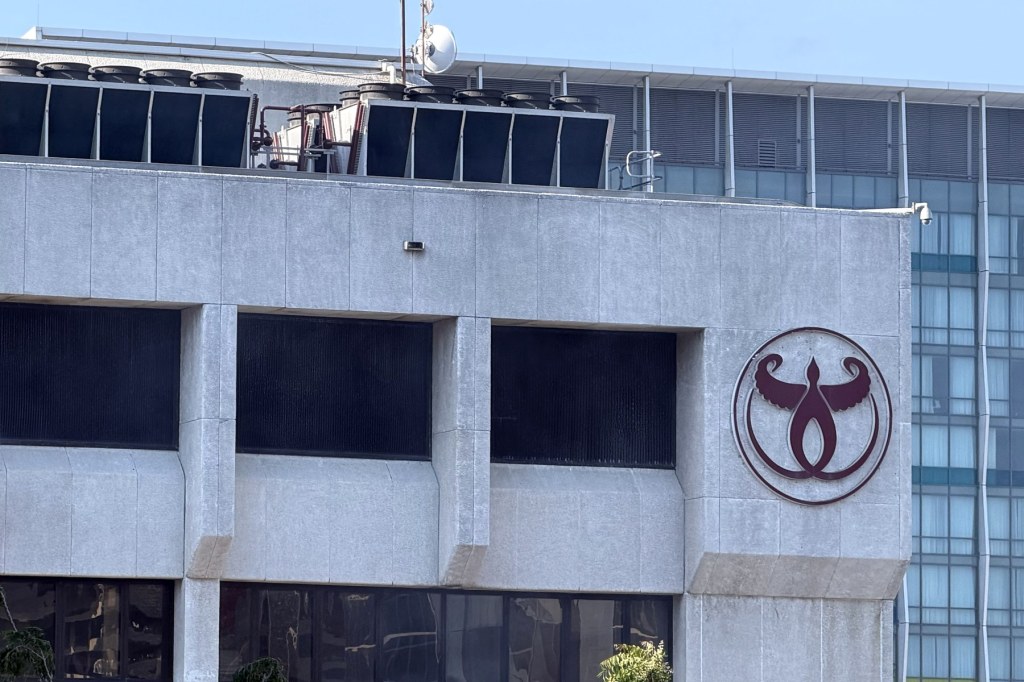
Main photo: Bank of PNG head office, Port Moresby. Photo: Business Melanesia.




Leave a Reply